
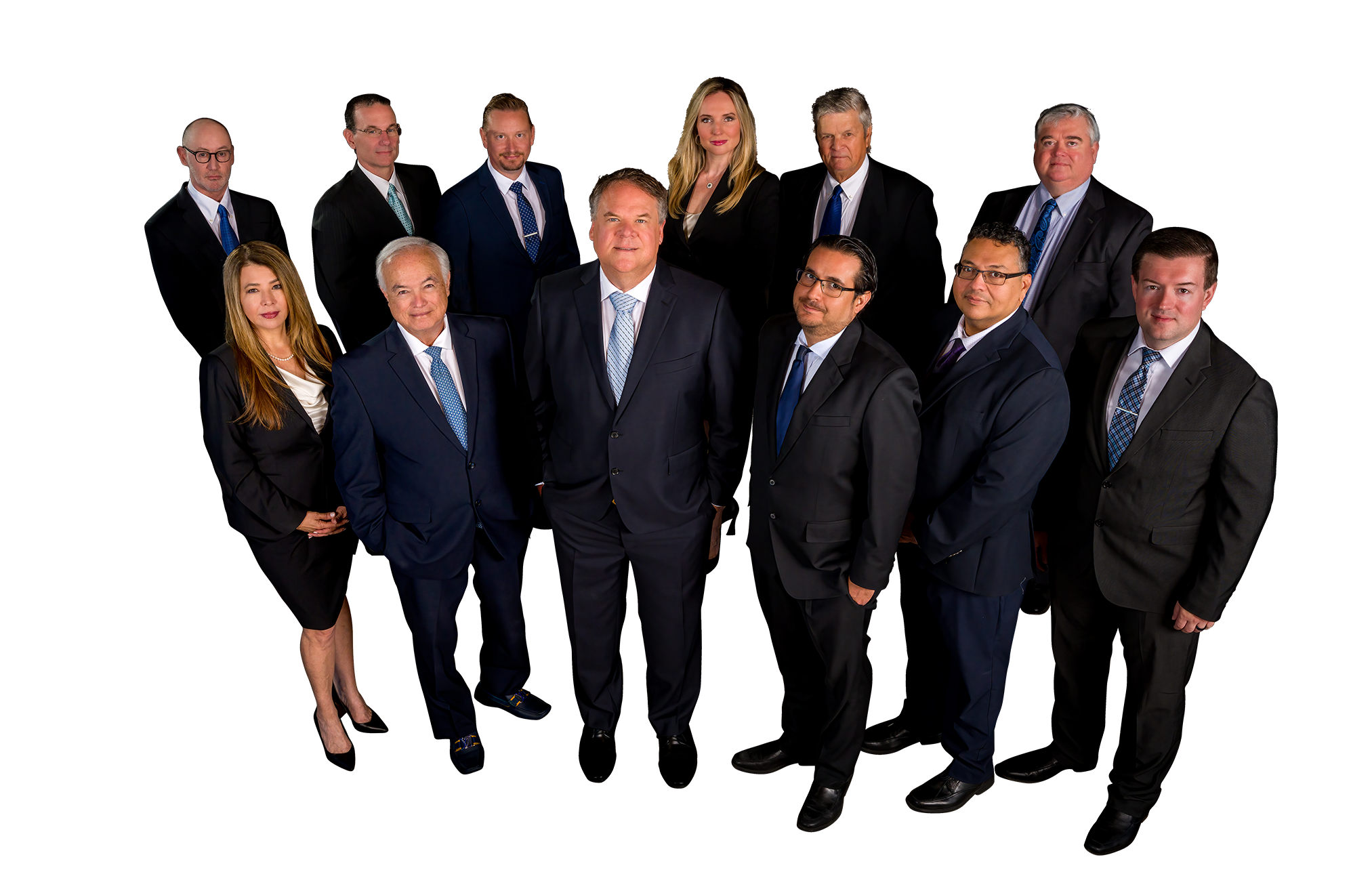
Carabin Shaw is one of the leading personal injury law firms in South and Central Texas. They have extensive experience in Truck accident cases, focusing on securing compensation for clients’ medical bills, property damage, and pain and suffering.
Specialization: Personal injury, car accidents, wrongful death, truck/18-wheeler accidents.
Why choose them?: Carabin Shaw offers a free initial consultation, over 34 year of experience and their team is known for fighting aggressively for their clients’ rights.
Nighttime Trucking Accidents on Wurzbach Parkway: Who’s Liable?
Wurzbach Parkway nighttime truck accidents have become increasingly dangerous for San Antonio drivers. Wurzbach Parkway serves as a key east-west corridor connecting major highways like I-35 and US 281 while serving both residential and commercial zones. Wurzbach Parkway was designed to ease congestion on Loop 410, yet it has transformed into a hazardous route, particularly after sunset. More from our truck accident lawyer in San Antonio here
Commercial trucks utilizing Wurzbach Parkway for local deliveries and cross-town hauls create serious risks during nighttime hours. The collision patterns on Wurzbach Parkway reveal concerning trends that threaten drivers and pedestrians throughout San Antonio. Understanding liability becomes critical when truck crashes occur on Wurzbach Parkway, especially during nighttime conditions.
The Dangerous Reality of Wurzbach Parkway After Dark
Wurzbach Parkway mimics highway conditions despite not being a traditional freeway. Long stretches without traffic signals, limited lighting, and fast-moving traffic create treacherous environments after sunset. Truckers navigating tight delivery windows face additional pressure that amplifies risk factors on this busy corridor.
Reduced visibility creates the primary danger factor on Wurzbach Parkway during nighttime hours. Even with proper headlights, identifying road hazards, pedestrians, cyclists, or merging vehicles becomes extremely challenging in low-light conditions. Improperly lit intersections and faded road markings compound these visibility problems, creating perfect conditions for devastating collisions.
Driver fatigue represents another major contributor to Wurzbach Parkway truck accidents. Commercial drivers often operate on demanding schedules that extend into evening and early morning hours. Fatigue dulls reflexes, impairs judgment, and increases the likelihood of microsleep episodes behind the wheel. These factors become particularly dangerous on Wurzbach Parkway’s long, monotonous stretches.
Inadequate lighting plagues certain sections of Wurzbach Parkway, especially between Wetmore Road and Blanco. These poorly illuminated areas create blind spots where rear-end and side-swipe collisions frequently occur. The contrast between well-lit and dimly lit sections can also cause temporary vision adjustment problems for drivers.
Impaired driving incidents statistically peak during nighttime hours. When truck drivers operate under the influence of alcohol, prescription medications, or stimulants, the consequences become catastrophic on busy corridors like Wurzbach Parkway. The combination of impairment and massive vehicle weight creates deadly scenarios for other motorists.
Common Nighttime Collision Patterns
Rear-end collisions dominate nighttime truck accidents on Wurzbach Parkway due to reduced visibility and slower reaction times. These crashes often involve multiple vehicles when traffic suddenly slows or stops without adequate warning distance.
Lane-change accidents occur frequently when truckers fail to properly monitor blind spots or misjudge distances between vehicles. Poor lighting conditions make it difficult to accurately assess safe following distances and lane positioning.
Jackknife wrecks result from over-braking or sudden steering corrections, often when drivers encounter unexpected obstacles or traffic patterns. These accidents can block multiple lanes and create secondary collisions with approaching vehicles.
Rollover accidents happen on curved ramps or sloped exits where truckers take turns too quickly or lose control due to cargo shifting. The elevated sections of Wurzbach Parkway create particular risks for top-heavy loads.
Pedestrian and cyclist impacts occur near crosswalks, trails, and residential areas where foot traffic intersects with commercial vehicle routes. Limited lighting makes it nearly impossible for truckers to spot pedestrians until it’s too late to stop safely.
Serious Injuries from Nighttime Truck Crashes
Nighttime trucking accidents often produce more severe injuries due to delayed emergency response times and reduced visibility-based reaction capabilities. Traumatic brain injuries represent one of the most common and devastating outcomes, frequently requiring long-term rehabilitation and ongoing medical care.
Broken bones and fractures occur at higher rates during nighttime crashes, partly due to the increased force of impact when drivers have less time to react or brake effectively. Internal bleeding and organ damage often accompany these orthopedic injuries, creating life-threatening medical emergencies.
Severe burns or chemical exposure can result when fuel tanks rupture or hazardous cargo spills during high-impact collisions. These injuries often require specialized treatment and can lead to permanent disfigurement or disability.
Whiplash and spinal cord injuries frequently occur in rear-end collisions, which are particularly common during nighttime hours on Wurzbach Parkway. These injuries can result in chronic pain, limited mobility, or complete paralysis depending on the severity and location of spinal damage.
Fatal injuries unfortunately occur at higher rates during nighttime truck accidents, especially in high-speed impact scenarios. The combination of reduced visibility, delayed reaction times, and massive vehicle weights creates perfect conditions for catastrophic outcomes.
Establishing Liability in Complex Cases
Multiple parties may bear responsibility for nighttime truck crashes on Wurzbach Parkway. Truck drivers face direct liability when speeding, distraction, drowsiness, or impairment contributes to accidents. Failure to use proper headlights or violations of traffic regulations represent clear forms of negligence that support liability claims.
Trucking companies bear responsibility for their drivers’ actions while on duty. Companies that fail to enforce mandatory rest breaks, hire unqualified drivers, or maintain unrealistic delivery schedules may face corporate liability. Inadequate training programs or pressure to violate hours-of-service regulations can also support claims against employers.
Maintenance providers become liable when mechanical failures contribute to accidents. Brake failure, lighting malfunctions, or steering problems that result from inadequate maintenance create grounds for third-party liability claims against service contractors.
Municipal authorities and road agencies may share liability when infrastructure defects contribute to accidents. Lack of proper lighting, missing signage, or dangerous road design can support claims against government entities, though these cases involve strict deadlines and special procedural requirements.
Third-party contractors or cargo loading companies face potential liability when shifting or unbalanced cargo contributes to loss of vehicle control. Improperly secured loads or overweight shipments can cause rollovers or jackknife accidents that injure other motorists.
Building Strong Legal Cases
Proving fault in nighttime truck accidents requires immediate, thorough investigation. Attorneys must quickly collect crash reports from SAPD or Bexar County Sheriff’s Office before evidence disappears or gets contaminated by weather or traffic.
Black box data provides crucial evidence about vehicle speed, braking patterns, and hours driven leading up to the crash. This electronic data can contradict driver statements or reveal violations of federal trucking regulations.
Dashcam footage, when available, offers objective evidence about pre-crash behavior and road conditions. Attorneys must act quickly to preserve this evidence before it gets overwritten or deleted.
Site investigations help attorneys assess lighting conditions, road signage quality, and traffic flow patterns that may have contributed to the accident. Photographs and measurements taken shortly after the crash provide valuable documentation for settlement negotiations or trial presentations.
Pursuing Maximum Compensation
Victims of nighttime Wurzbach Parkway truck accidents may recover compensation for emergency medical treatment, surgical procedures, ongoing rehabilitation, and future medical needs. Lost income and diminished earning capacity also represent significant damage categories, especially for injuries that cause permanent disabilities.
Pain and suffering damages acknowledge the physical and emotional trauma caused by serious truck accidents. Emotional distress, anxiety, and depression often accompany physical injuries and deserve recognition in settlement calculations.
Property damage recovery addresses vehicle repair or replacement costs, personal property lost in the crash, and any other economic losses directly resulting from the accident.
Working with experienced San Antonio truck accident attorneys ensures that victims understand local court systems, insurance defense tactics, and the unique challenges of Wurzbach Parkway accident cases. Local representation provides invaluable knowledge about area road conditions, common accident patterns, and effective legal strategies for this specific corridor.